
Sports nutrition has a lot of rules that get passed around gyms. Drink your shake within 30 minutes or the workout is wasted. You can only absorb so much protein at a time. Drink before you’re thirsty. Some of these hold up and some don’t. The research on protein, meal timing and fluids is solid enough now to give clear answers for regular people who work out, not only for pro athletes.
Jump to a section
How much protein you need
The official recommended dietary allowance for protein is 0.8 grams per kilogram of body weight a day. That’s set to cover the needs of nearly everyone who is healthy, not people trying to build muscle.
People who lift need more. The International Society of Sports Nutrition, in its 2017 position stand, says 1.4 to 2.0 grams per kilogram a day is enough for most people who exercise, both to build muscle and to hold on to it. For someone who weighs 180 pounds, about 82 kilograms, that works out to roughly 115 to 165 grams a day.
A 2018 review in the British Journal of Sports Medicine tested where the benefit stops. It pooled 49 trials with 1,863 people who did weight training for at least six weeks. Adding protein made people stronger and added more muscle than training alone, but the gains were modest: about 2.5 kilograms more on a one-rep max and 0.3 kilograms more lean mass on average. Once total protein reached about 1.6 grams per kilogram a day, eating more didn’t add any more muscle.
Two other findings from that review are worth knowing. Extra protein helped less as people got older, and it helped more in people who were already experienced lifters.
Does timing matter?
The idea of an anabolic window, a short period after a workout when you have to eat protein, was popular for years. A 2013 analysis in the Journal of the International Society of Sports Nutrition put it to the test. It pooled 23 studies on muscle growth and 20 on strength. Once the researchers accounted for how much protein people ate in total, eating it right around the workout made no difference to strength or size. Total daily protein was the biggest factor.
The ISSN position says something similar. Protein before or after training both help, and the effect of a workout on muscle building lasts at least 24 hours. It says the best time is mostly a matter of what sits well with you.
How you spread it out may help a little. The ISSN suggests 20 to 40 grams of protein per meal, spread every 3 to 4 hours across the day. For most people that means a real serving of protein at breakfast, lunch and dinner rather than a small amount early and a huge amount at night. The position stand also says 30 to 40 grams of casein protein before sleep increases muscle building overnight.
Food or shakes?
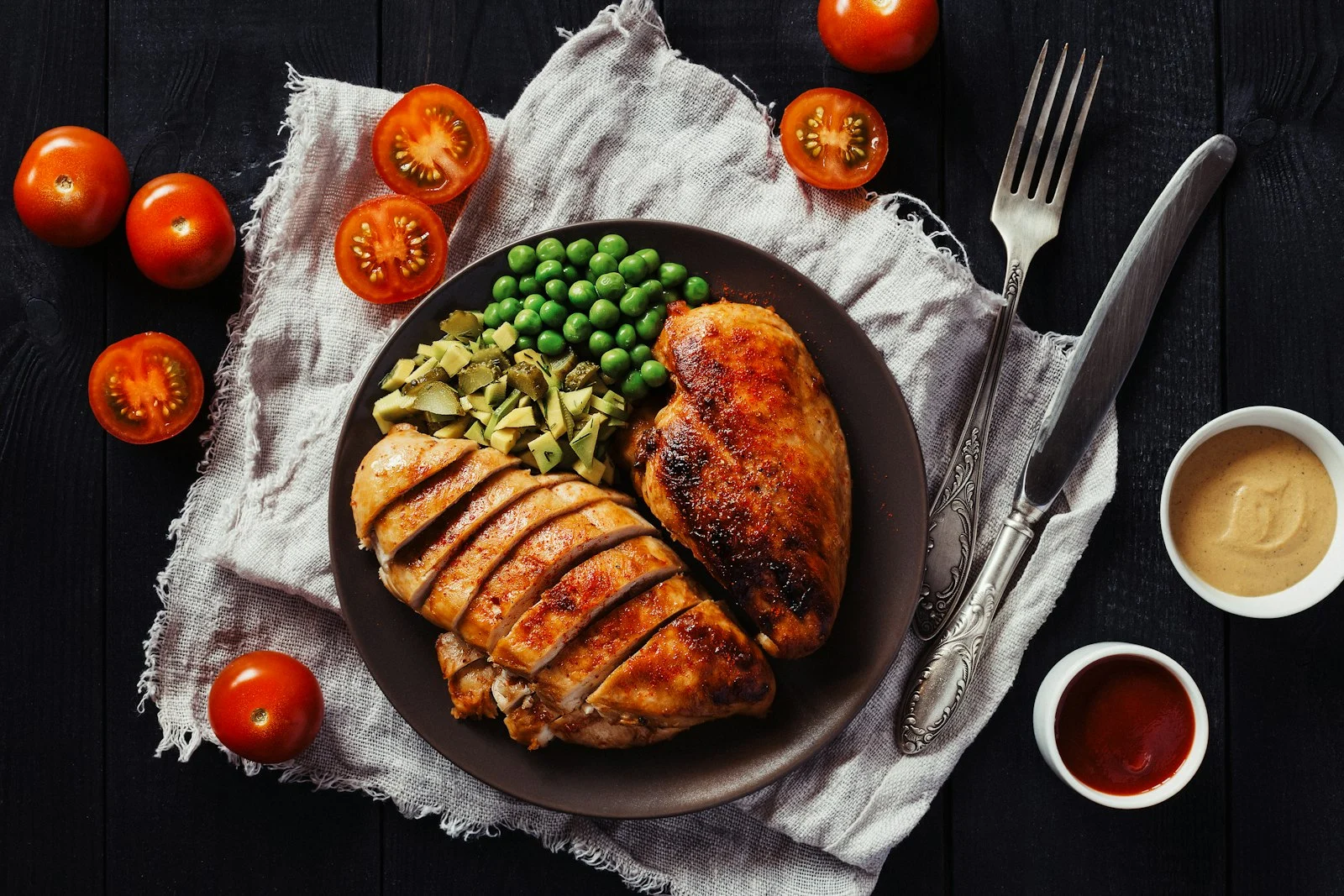
You can get all the protein you need from food. The ISSN says so plainly, and it recommends leaning on whole foods that contain all the essential amino acids, like meat, fish, eggs, dairy and soy. A shake is a convenient way to fill a gap, especially if you train a lot or you’re watching calories. It isn’t required.
If you do use a protein powder, remember that it’s a dietary supplement. The FDA doesn’t approve supplements before they’re sold, and the article on supplement safety explains what to look for on the label.
Carbohydrates for endurance
Lifters think about protein first. For longer cardio, carbohydrate matters more. The ISSN says endurance athletes should focus on eating enough carbohydrate to perform their best, and that adding some protein may help with muscle damage and recovery. If you run, ride or row for more than an hour at a time, a meal built only around protein will leave you short.
What to drink
The American College of Sports Medicine’s position on fluids gives a simple target. The goal of drinking during exercise is to keep from losing more than 2 percent of your body weight as sweat, because more than that can hurt performance. For a 180-pound person, 2 percent is about 3.6 pounds.
People sweat very different amounts, so there’s no single number of cups that works for everyone. The ACSM suggests weighing yourself before and after a workout to learn your own sweat rate. If you’re consistently lighter afterward, drink more during your next session. Start workouts well hydrated by drinking a few hours ahead, not all at once at the door. During long or hot sessions, a drink with some electrolytes and carbohydrates can do better than water alone.
The other risk is drinking too much. Drinking far more than you sweat during long events can dilute the sodium in your blood, which can be dangerous. The weigh-in check helps with that too, since you shouldn’t finish heavier than you started.
What I do
I aim for about 1 gram of protein per pound of body weight. If I weigh 190 pounds, I’m looking for 190 grams of protein a day. That’s higher than the 1.4 to 2.0 grams per kilogram (roughly 0.6 to 0.9 grams per pound) that the sports nutrition research above supports for most people, so it’s my own target, not a number for everyone. If you have kidney disease, check with your doctor before eating this much.
I don’t focus on pre-workout drinks or shakes. I do like to get some source of protein after a workout.
I drink almost a gallon of water a day. I use a glass jar that holds 64 ounces and refill it as I go through the day.
A simple plan
For most people who work out a few times a week:
- Aim for about 1.4 to 1.6 grams of protein per kilogram of body weight a day if you’re trying to build or keep muscle.
- Get 20 to 40 grams at each meal instead of saving most of it for dinner.
- Eat protein before or after training, whichever suits you. Don’t stress about a 30-minute window.
- Eat enough carbs to fuel longer cardio sessions.
- Weigh yourself before and after a hard workout once in a while to check how much you need to drink.
Track it for two weeks
Most people guess at how much protein and water they get. A simple log shows you. Fitness Rocks has a free printable daily food and exercise log (PDF) with room for what you eat and drink, a tally for protein, vegetables and fruit, a row of circles for glasses of water, and your workout. Two weeks of filling it in is usually enough to spot patterns, like a day with almost no protein until dinner. If you’re setting up the lifting side too, strength training, running and aging covers how much is enough.
A log is for awareness, not for judging yourself. If writing down food starts to feel stressful, or you find yourself skipping meals to keep the numbers low, stop and talk to your doctor.
What the research can’t tell you
Most of the protein studies were done in healthy, younger adults, and many used protein shakes, not food. The benefits in the trials were real but small, so protein won’t make up for a poor training plan. People with kidney disease may need to limit protein and should ask their doctor before raising it.
Where to get help
A registered dietitian can turn the general numbers above into a plan that fits your body, your schedule and your health. That matters most if you have kidney disease, diabetes, take regular medicine, are pregnant, or are training for a long event. Your own doctor should check any change in how much protein you eat if you have kidney problems. If you feel confused, faint or very sick during or after exercise, get medical help right away.
- Academy of Nutrition and Dietetics: Find a Nutrition Expert, to find a registered dietitian near you, in person or by video.
- American College of Sports Medicine: verify a certified professional, to check a trainer’s credentials before you pay.
- National Institute of Mental Health: eating disorders, for signs to watch for and where to find help, if food and exercise have started to feel out of control.
Where this page came from
Fitness Rocks started as a podcast by the doctor I bought the site from. In 2008 he did an episode on exercise nutrition. That episode is gone, so this page covers the same subject with the research and guidelines that have come out since.

Leave a Reply