

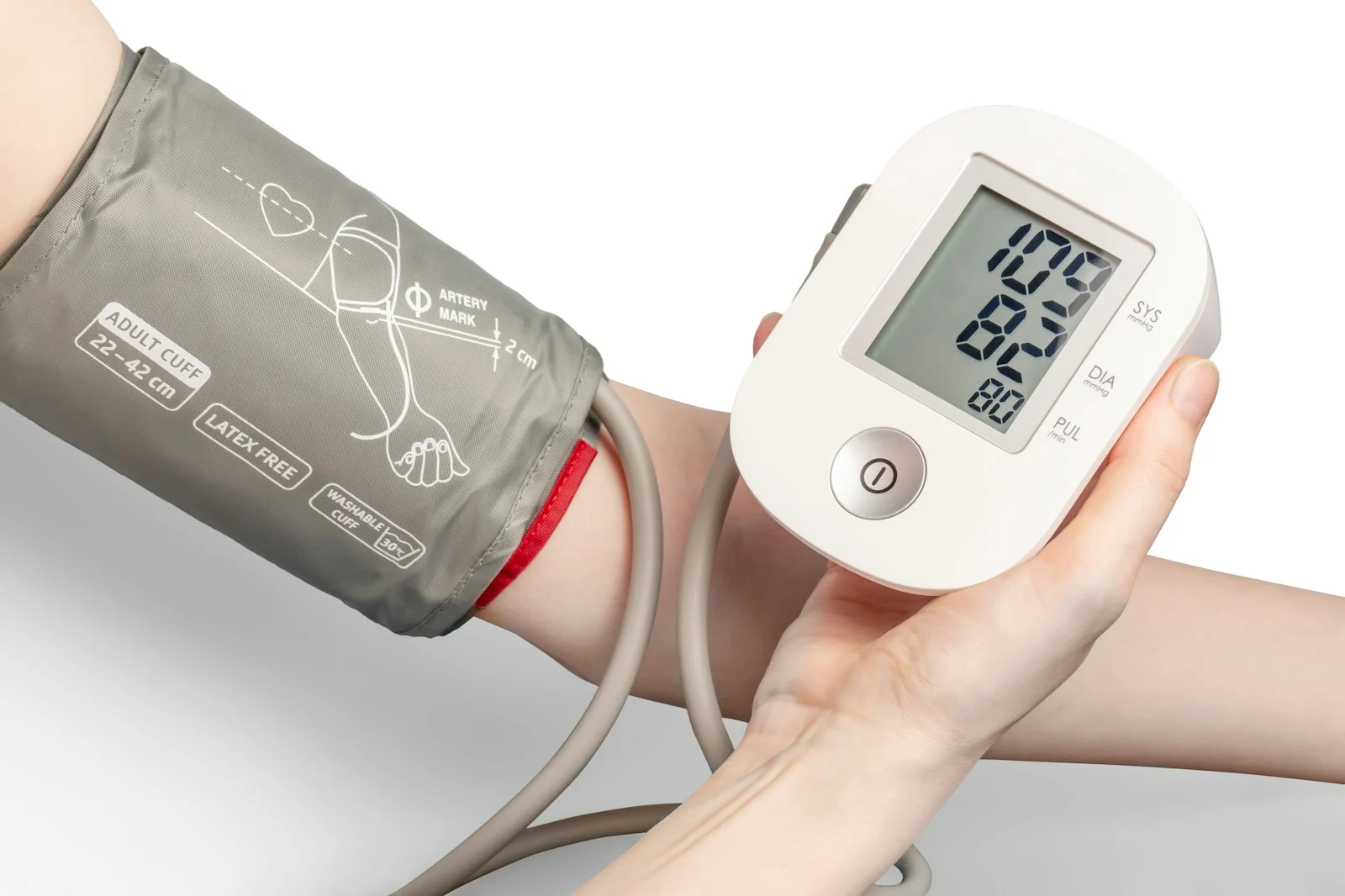
Someone in the United States has a stroke every 40 seconds, according to the CDC. That adds up to more than 795,000 strokes a year, and about 610,000 of them are a person’s first. About 87 percent are ischemic, meaning a clot or narrowed artery cuts off blood flow to part of the brain.
High blood pressure is the biggest single driver. What you eat moves blood pressure more than most people expect, especially how much salt and potassium you get. A handful of other habits matter too.
Jump to a section
What causes most strokes
INTERSTROKE was a case-control study run in 32 countries. Researchers compared 13,447 people who had just had their first stroke with 13,472 people who hadn’t, matched by age and sex. They looked at ten risk factors people can do something about: high blood pressure, lack of regular exercise, blood fats, diet, waist-to-hip ratio, stress and depression, smoking, heart problems, alcohol, and diabetes.
Together those ten accounted for about 90 percent of the risk of stroke worldwide. That held up in men and women, in younger and older patients, and in every region they studied. High blood pressure was the biggest piece by far, close to 48 percent on its own. Regular physical activity came second. The study was published in The Lancet in 2016.
Healthy habits and stroke
Harvard researchers came at it a different way. They followed 43,685 men in the Health Professionals Follow-up Study and 71,243 women in the Nurses’ Health Study. A low-risk lifestyle meant five things: not smoking, a body mass index under 25, at least 30 minutes a day of moderate activity, modest drinking, and a diet in the top 40 percent.
Women who had all five had about a fifth of the stroke risk of women who had none. For men it was about a third. The researchers estimated that 47 percent of strokes in the women and 35 percent in the men were linked to not following that lifestyle. For ischemic strokes, the kind caused by a blockage, it was more than half in both groups. That paper came out in Circulation in 2008.
How much salt matters
The FDA says Americans eat about 3,400 milligrams of sodium a day on average. The Dietary Guidelines recommend less than 2,300 milligrams, which is about a teaspoon of table salt. More than 70 percent of the sodium people eat comes from packaged and prepared foods, not the salt shaker.
The DASH-Sodium trial showed how directly salt moves blood pressure. It put 412 adults on either a typical American diet or the DASH diet, which is heavy on vegetables, fruit and low-fat dairy. Each person ate high, medium and low sodium levels for 30 days apiece. Every step down in sodium lowered systolic blood pressure (the top number), whether people had high blood pressure or not. The DASH diet at the low sodium level did best. Compared with the typical diet at high sodium, it brought the top number down 7.1 points in people with normal blood pressure and 11.5 points in people with high blood pressure. The results were in the New England Journal of Medicine in 2001.
Why potassium matters too
Potassium works on the other side. A 2013 review done for the World Health Organization and published in the BMJ pooled 22 randomized trials and 11 long-term studies with more than 127,000 people. Eating more potassium lowered blood pressure in people who had high blood pressure, by about 3.5 points on the top number overall. It didn’t make a difference for people whose blood pressure was already normal. In the long-term studies, people who ate the most potassium had a 24 percent lower risk of stroke.
The National Institutes of Health sets adequate intake at 3,400 milligrams a day for men and 2,600 for women. Good sources include dried apricots, prunes, raisins, bananas and orange juice, plus potatoes, acorn squash, spinach, tomatoes and broccoli. Those are the same kinds of foods the DASH diet leans on.
The salt substitute trial
The biggest test of both ideas at once came from rural China, where people cook with a lot of salt. The Salt Substitute and Stroke Study enrolled 20,995 people in 600 villages. Everyone had either had a stroke already or was 60 or older with high blood pressure. Half the villages got a salt substitute that was 75 percent regular salt and 25 percent potassium chloride. The other half kept using regular salt.
After almost five years, the villages using the substitute had 14 percent fewer strokes, 13 percent fewer major heart and blood vessel events, and 12 percent fewer deaths. Serious problems from high potassium weren’t more common with the substitute. The trial was published in the New England Journal of Medicine in 2021.
Be careful with salt substitutes
That doesn’t mean everyone should switch. The NIH warns that people with kidney disease, or who take certain blood pressure drugs such as ACE inhibitors, angiotensin receptor blockers or potassium-sparing diuretics, can end up with potassium levels that are too high. Those are common medications. Check with your doctor before using a potassium-based salt substitute, and don’t start potassium supplements on your own.
Where exercise fits
Exercise showed up in both big studies. In INTERSTROKE, regular physical activity was tied to a lower risk of stroke, and in the Harvard study 30 minutes a day of moderate activity counted toward a low-risk lifestyle. The federal Physical Activity Guidelines call for at least 150 minutes a week of moderate activity, and they list a lower risk of high blood pressure among the benefits. Walking, biking and a spin class all count. The page on preventing heart disease covers the same habits from the heart side, and the easy exercises for seniors are a good place to start if you’ve been inactive.
What the research can’t tell you
The Harvard study and INTERSTROKE are observational. They show links, not proof. INTERSTROKE asked people about their habits after the stroke had already happened, and memory isn’t perfect. The salt substitute trial was a real experiment, but it was done in older, high-risk people in rural China who ate a lot of salt, so the benefit could be bigger or smaller for someone else. Researchers still argue about how low sodium needs to go for everyone.
Know the signs of a stroke
A stroke is an emergency. The CDC uses B.E. F.A.S.T.: balance loss, eye or vision changes, a face that droops on one side, an arm that drifts down when both are raised, and slurred or strange speech. Time means call 911 right away. Other sudden signs include numbness on one side, confusion, and a severe headache with no known cause. Note the time the symptoms started, because it helps doctors pick the right treatment.
Where to get help
A stroke is an emergency, so call 911 first if you see the signs above. If you or someone you love has already had a stroke, you don’t have to work out recovery alone. Your doctor can refer you to a rehabilitation team, and support groups help both survivors and the people caring for them. To lower your own risk, ask your doctor to check your blood pressure, cholesterol and blood sugar, and consider seeing a registered dietitian who can build a lower-sodium plan around the foods you actually eat.
- American Stroke Association: stroke symptoms and warning signs, the B.E. F.A.S.T. checklist to share with family.
- American Stroke Association: help and support, with support groups, caregiver support and a live chat with a trained specialist.
- NHLBI: the DASH eating plan, the lower-sodium eating pattern used in the trial above.
- Academy of Nutrition and Dietetics: Find a Nutrition Expert, to find a registered dietitian near you.
Where this page came from
Fitness Rocks started as a podcast by the doctor I bought the site from. In late 2008 and early 2009 he covered lifestyle and the risk of stroke, and sodium, potassium and heart disease. Those episodes are gone, so this page takes the same questions and answers them with what researchers have learned since.


Leave a Reply