

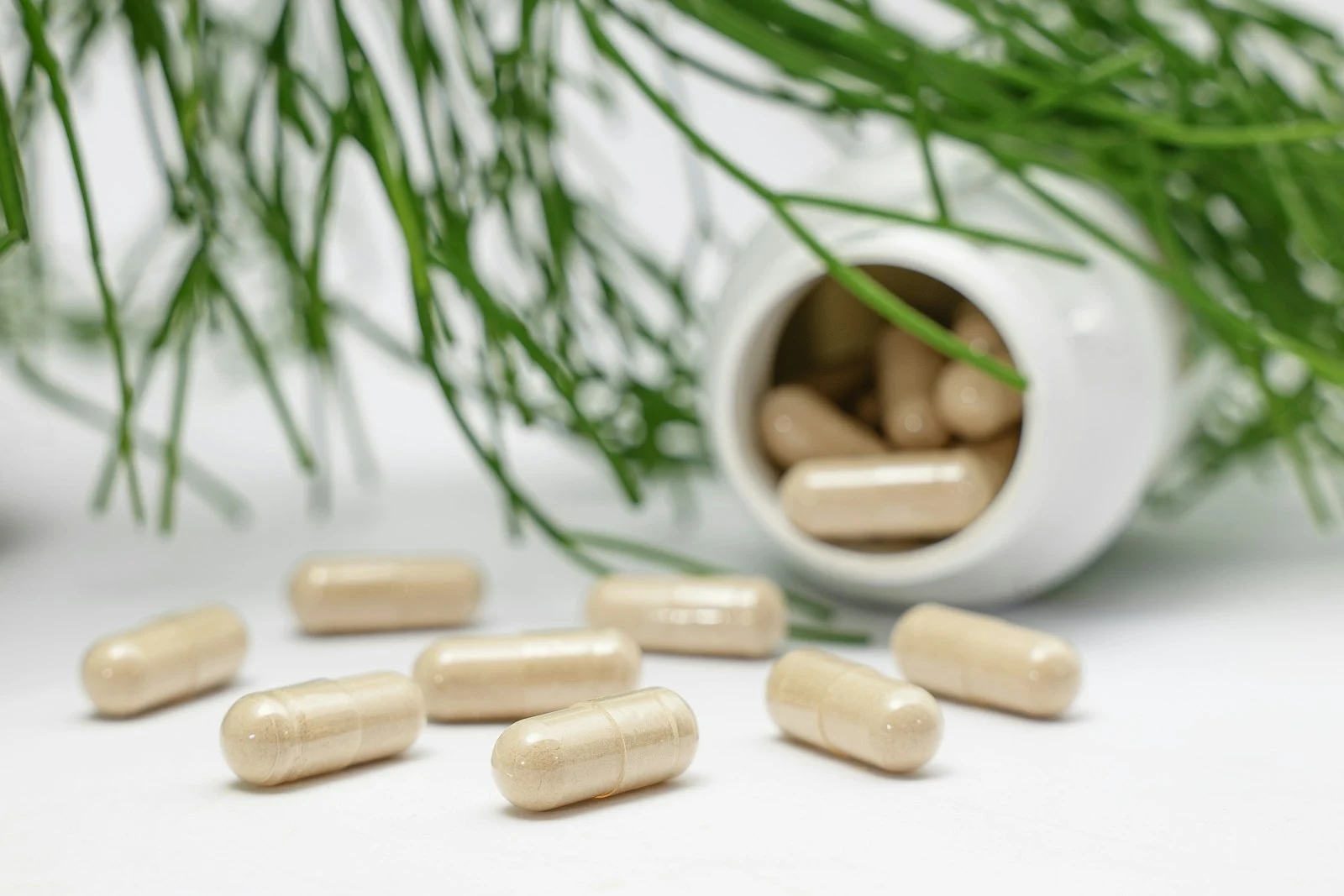
More than half of American adults take a dietary supplement. A CDC survey from 2017 and 2018 put the number at 57.6 percent, and it climbs with age. Among people 60 and older, 80 percent of women and 67 percent of men used one in the past month. Multivitamins, vitamin D and omega-3s were the most common.
Most people assume that anything on a store shelf has been checked by someone. With supplements, that isn’t how it works.
Jump to a section
What the FDA does and doesn’t do
The FDA says plainly that it does not have the authority to approve dietary supplements before they’re sold. Drugs have to be proven safe and effective before they reach a pharmacy. Supplements don’t. The company that makes or sells the product is responsible for making sure it’s safe and that the label is honest.
That setup goes back to a 1994 law, the Dietary Supplement Health and Education Act, which treats supplements more like food than like medicine. The FDA steps in after a product is on the market. It can warn companies, test products, and act against ones that turn out to be dangerous or mislabeled. That means a problem usually has to show up first, often after people have already been taking the product.
Problems that send people to the hospital
A CDC and FDA study published in the New England Journal of Medicine in 2015 looked at 10 years of data from 63 emergency departments. The researchers estimated that supplements cause about 23,000 emergency room visits a year in the United States, and about 2,150 hospital stays.
The patterns were different by age. Young adults, mostly 20 to 34, tended to show up with heart symptoms like palpitations, chest pain or a racing heartbeat. Weight-loss and energy products caused almost 72 percent of those heart-related visits. Older adults had a different problem. In people 65 and up, more than a third of the visits were from choking or trouble swallowing pills, usually big vitamin and mineral tablets.
Hidden drugs in weight-loss and muscle products
Some supplements contain real drugs that aren’t on the label. Researchers went through FDA warnings from 2007 to 2016 and found 776 supplements with hidden, unapproved ingredients, from 146 different companies. That study was published in JAMA Network Open in 2018.
The categories line up with what a lot of gym-goers buy. About 41 percent were weight-loss products, and 85 percent of those contained sibutramine, a prescription diet drug that was pulled from the market over heart attack and stroke risk. Another 12 percent were muscle-building products, and almost 9 out of 10 of those had steroids or steroid-like ingredients. The rest were mostly sexual enhancement pills. Some products came back with new hidden ingredients after the FDA had already warned about them.
If a pill promises fast fat loss or big muscle gains, that’s a reason to be careful, not a reason to buy it. Real results come from training and eating well over months, not from a bottle.
Heavy metals in Ayurvedic medicines
Contamination is another risk. Researchers at Boston Medical Center bought 193 Ayurvedic medicines online in 2005 and tested them. About one in five contained lead, mercury or arsenic. The rate was nearly the same for products made in the United States and in India. Every product with metals in it went over at least one safety standard for how much of those metals a person should take in a day. And 75 percent of them claimed to follow Good Manufacturing Practices. The study was published in JAMA in 2008.
Some traditional formulas add metals on purpose, but many of the contaminated products weren’t that kind.
Supplements can interact with your medicine
The NIH points out that side effects are most likely when people take high doses, take many supplements at once, or use them in place of medicine a doctor prescribed. Supplements can also change how drugs work. Vitamin K can make the blood thinner warfarin less effective. St. John’s wort can make many medicines break down faster, including some antidepressants, birth control pills and heart drugs. Some supplements raise bleeding risk or change how you react to anesthesia, so tell your surgeon what you take before an operation.
Natural doesn’t always mean safe either. Comfrey and kava, both plant products, can harm the liver.
How to pick a safer product
A few independent groups, including NSF International and ConsumerLab.com, test supplements. Products that pass can carry a seal showing that they were made properly, contain what the label says, and don’t have harmful levels of contaminants. A seal doesn’t prove a product works or that it’s safe for you, but it does tell you the bottle holds what it claims.
A few other habits help:
- Buy from a store or site you trust, not a random seller overseas or a pop-up ad.
- Skip anything that promises dramatic results or says it works like a prescription drug.
- Keep a list of everything you take and show it to your doctor and pharmacist.
- Stop taking a product if you notice a racing heart, chest pain or other new symptoms, and get checked.
If you have a bad reaction, report it to the FDA through its Safety Reporting Portal. Those reports are how the agency finds problem products.
What the research can’t tell you
The emergency room numbers may undercount the real harm, because many people never connect their symptoms to a supplement or don’t mention it. The FDA’s warnings only cover products it happened to test, so the 776 hidden-drug products are the ones that got caught. The Ayurvedic study is from 2005 purchases. None of this means that every supplement is dangerous. Plenty of people take vitamin D, iron or a multivitamin because a doctor told them to, and they should keep doing that. It means you shouldn’t assume a product is safe just because it’s for sale.
Where to get help
If you think a supplement has made you sick, stop taking it and call your doctor. If someone has swallowed too much or you can’t tell what they took, Poison Control can help right away. If they collapse, have a seizure or can’t breathe, call 911. A pharmacist can check your supplements against your medicines, and a registered dietitian can tell you whether you need one at all.
- Poison Control (1-800-222-1222), free, confidential and open all day, every day.
- FDA Safety Reporting Portal, to report a bad reaction or a product you think is unsafe.
- NIH Office of Dietary Supplements, plain-language fact sheets on what each supplement does and its risks.
- Academy of Nutrition and Dietetics: Find a Nutrition Expert, to find a registered dietitian near you.
Where this page came from
Fitness Rocks started as a podcast by the doctor I bought the site from. In 2008 and 2009 he asked how safe dietary supplements are, looked at heavy metals in Ayurvedic medicines, and asked whether the FDA was really protecting our food and drugs. Those episodes are gone, so this page picks up the same questions with newer research.


Leave a Reply