

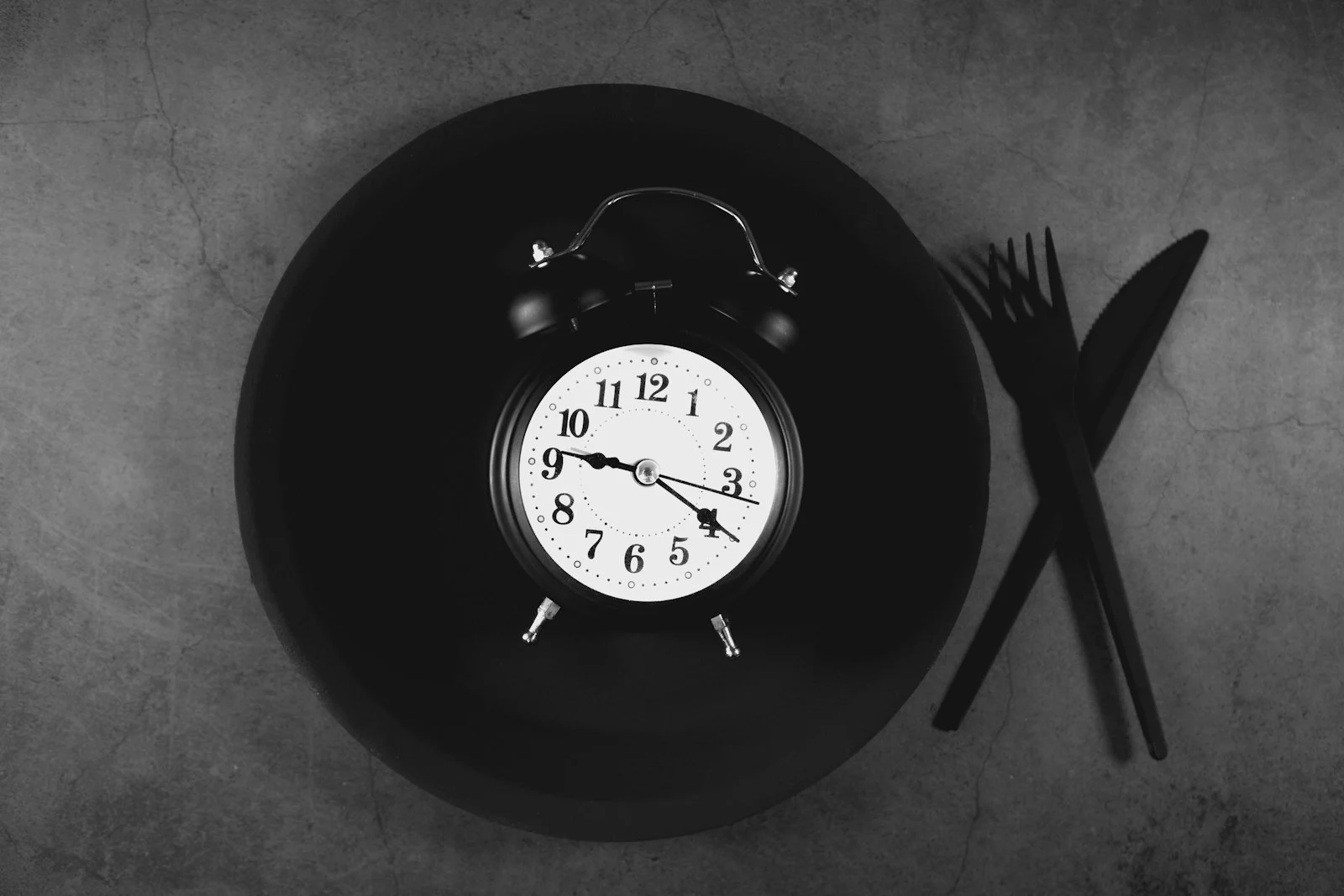
Intermittent fasting means changing when you eat, not only how much. There are a few common versions. Alternate-day fasting switches between a fast day, with very little food, and a normal or feast day. Time-restricted eating squeezes all your meals into a window, often eight hours, like noon to 8 p.m. Whole-day fasting means one or two full fast days a week, with regular eating the rest of the time.
Fasting fans say it burns more fat and is easier to stick with than cutting calories every day. The long trials have tested both of those claims.
Jump to a section
Alternate-day fasting against a regular diet
The first year-long trial of alternate-day fasting was run at the University of Illinois at Chicago and published in JAMA Internal Medicine in 2017. It took 100 adults with obesity, mostly women, and split them into three groups. One group ate 25 percent of their calorie needs on fast days and 125 percent on feast days. Another cut calories to 75 percent of their needs every day. The third group was a control group that kept eating as usual.
Both diet groups lost the same amount at six months, 6.8 percent of their body weight. After a year the fasting group was down 6.0 percent and the daily group 5.3 percent. The gap was too small to count.
Sticking with it was harder on the fasting plan. More people dropped out of the fasting group, 38 percent against 29 percent for the daily diet. The fasters tended to eat more than planned on fast days and less than planned on feast days, so their diet slowly drifted toward regular calorie cutting. By 12 months, LDL cholesterol was higher in the fasting group than in the daily calorie group.
Eating in an eight-hour window
The 16:8 plan is probably the most popular form of fasting now. A trial from the University of California, San Francisco tested it on 116 adults for 12 weeks. One group ate whatever they wanted between noon and 8 p.m. and nothing the rest of the day. The other group ate three regular meals. The whole study ran through a phone app, and people weighed themselves at home on a Bluetooth scale, so volunteers from all over the country could take part.
The time-restricted group lost about 0.94 kilograms, around 2 pounds. The regular-meal group lost 0.68 kilograms. The difference between them was tiny and could have been chance. Among the people who had body scans, the time-restricted group lost more lean mass, meaning muscle, than the regular-meal group. The study was published in JAMA Internal Medicine in 2020.
Adding a time limit to a calorie limit
A trial in China asked whether a time limit adds anything when people are already cutting calories. It put 139 adults with obesity on a calorie-restricted diet for a year. Men were given 1,500 to 1,800 calories a day and women 1,200 to 1,500. Half of the group also ate only between 8 a.m. and 4 p.m.
The time-restricted group lost 8.0 kilograms (about 17.6 pounds) and the other group lost 6.3 kilograms (about 13.9 pounds). The gap wasn’t large enough to count, and body fat, waist size, blood pressure and blood sugar markers changed about the same in both groups. That study was published in the New England Journal of Medicine in 2022.
What almost 100 trials show
A 2025 review in the BMJ pulled together 99 randomized trials with 6,582 adults. Compared with people eating freely, everyone on a fasting plan or a regular calorie cut lost weight. Most of the people in those trials already had a health condition of some kind. Alternate-day fasting had a small edge over regular calorie cutting, about 1.3 kilograms (roughly 3 pounds), and that edge came mostly from the shorter trials. In the trials that lasted six months or more, the diets didn’t beat each other. They only beat no diet at all.
The authors concluded that intermittent fasting has similar benefits to regular calorie restriction for weight loss and heart risk factors.
So is fasting worth trying?
Fasting works for the same reason other diets work: you end up eating less. It doesn’t seem to melt fat faster than an ordinary diet with the same calories.
That still leaves a good reason to try it. For some people, skipping breakfast or closing the kitchen after dinner is simpler than tracking every meal. If a cutoff time ends your late-night snacking, that alone can be enough. If fasting makes you so hungry that you overeat later, a daily calorie plan will probably work better for you.
If you want to try 16:8, one simple version is the schedule from the California trial: eat your first meal at noon and finish dinner by 8 p.m. In between, stick to drinks with no calories, like water, black coffee or plain tea.
Keep your muscle
In the 16:8 trial the fasting group lost more muscle. Anyone losing weight should try to hold on to muscle, and two things help. Eat enough protein in the hours you do eat, and do strength training at least two days a week, which the federal Physical Activity Guidelines recommend for everyone anyway. The weight bench exercises page has a good set of moves if you train at home.
Who should be careful
Talk to your doctor before trying it if you have diabetes, especially if you take insulin or other drugs that lower blood sugar, because long gaps without food can drop it too low. The same goes if you’re pregnant or breastfeeding, have a history of an eating disorder, or take medicine that has to be taken with food.
If you try a fasting window, a simple log shows whether you are really eating less or just eating the same food later. Fitness Rocks has a free printable daily food and exercise log (PDF) you can use for two weeks.
What the research can’t tell you
Many of the fasting trials ran only a few months. The year-long ones are small, with 100 to 140 people each, so they can miss modest differences. People in these trials also got coaching and check-ins that most of us don’t have at home. No trial has yet shown that fasting leads to fewer heart attacks or a longer life.
Where to get help
If you have diabetes, take medicine that has to be taken with food, or are pregnant or breastfeeding, talk to your doctor before you try fasting. A registered dietitian can help you set up an eating schedule that still gets you enough protein. If food has started to take over your thoughts, or fasting keeps ending in binges, stop and talk to your doctor or a mental health professional.
- Academy of Nutrition and Dietetics: Find a Nutrition Expert, to find a registered dietitian near you, in person or by video.
- NIDDK: healthy living with diabetes, how food, activity and medicine work together if you have diabetes.
- National Institute of Mental Health: eating disorders, signs to watch for and where to find help.
- ANAD: get support, a helpline, a free recovery mentorship program and support groups for eating disorders.
Where this page came from
Fitness Rocks started as a podcast by the doctor I bought the site from. In 2008 he covered alternate-day fasting, long before intermittent fasting became a trend. That episode is gone, so this page looks at the same idea with the trials that have come out since.



Leave a Reply