


I use working out to manage my stress. After I exercise I feel more relaxed, and the stress I had going in is less. Sometimes it’s gone, but not all the time. When I don’t work out consistently I get irritable, and my family notices.
I’m talking about everyday stress and mood here, and I’m not a doctor. The research on exercise and depression has come a long way, though, and a lot of it lines up with what I feel.
What works for me
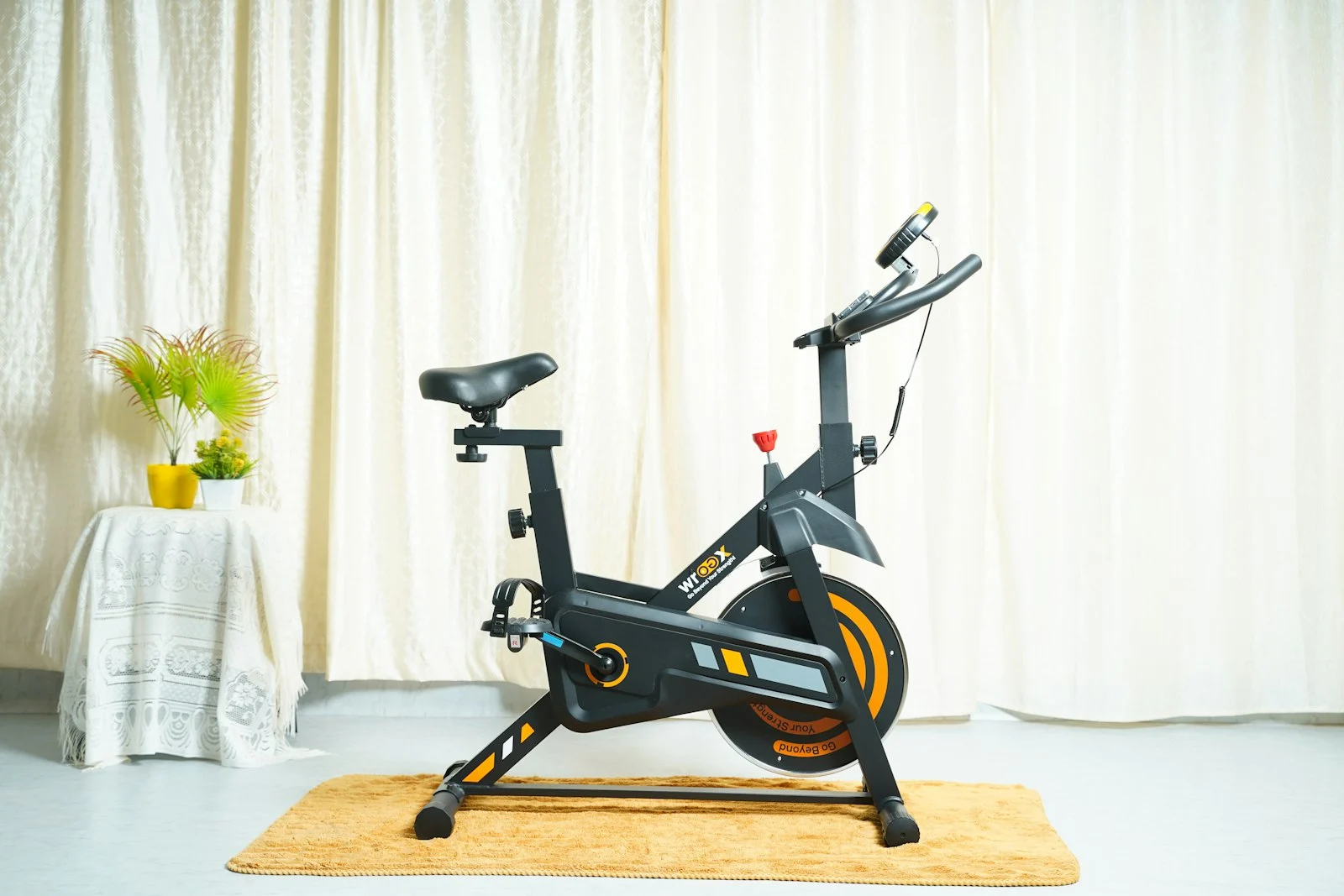
I need to do something that taxes my body physically to see my stress levels go down, like strength training or cardio. Walking doesn’t do a lot for me the way those two do. Biking really helps reduce my stress levels.
What the research says
One of the best-known studies came out of Duke University in 1999. Researchers took 156 men and women aged 50 and older who had major depression and put them on aerobic exercise, the antidepressant sertraline, or both, for 16 weeks. All of the groups improved, and by the end there was no real difference between them. The medication worked faster at the start, but after 16 weeks exercise had done just as well.
A much bigger review was published in the BMJ in 2024. It pooled 218 randomized trials with more than 14,000 people who had depression. Walking or jogging, yoga and strength training came out best, and the harder the prescribed exercise was, the bigger the effect. The authors say exercise could be considered alongside therapy and antidepressants as a core treatment. They’re also upfront that most of the trials had some risk of bias, so confidence in the exact numbers is low.
A walk doesn’t do much for my stress, but biking or a strength workout does.
An overview in the British Journal of Sports Medicine in 2023 looked at 97 earlier reviews, covering 1,039 trials and about 128,000 adults. Physical activity had a medium-sized effect on symptoms of depression, anxiety and distress compared with usual care. Higher intensity helped more here too, and shorter programs showed bigger effects than long ones.
How I’d start
Start with the basics, like going for a walk or a run. Try to get a basic 30-minute strength workout in with weights or exercise machines. A bodyweight workout would work too, doing squats, push-ups, lunges or isometric holds.
If you’re over 50 and starting from nothing, my easy exercises for seniors are a good first step. If you’d rather follow along with a trainer, I’ve done a lot of the BODi programs, including T25 with my wife.
When exercise isn’t enough
Exercise isn’t a replacement for treatment. So if you’ve felt down most days for two weeks or more, or lost interest in things you used to enjoy, talk to your doctor. If you’re thinking about suicide or you’re in crisis, call or text 988 in the US to reach the 988 Suicide & Crisis Lifeline. It’s free and open any time of day.
Where this page came from
Fitness Rocks started as a podcast by the doctor I bought the site from. In October 2008, episode 118 was about exercise and major depression in older adults. That episode is long gone, and a lot has been studied since, so I wanted a real page on it again.

Leave a Reply